Latest Insights
How to Build Buyer Trust After Trade Fair Participation


How to Build Buyer Trust After Trade Fair Participation
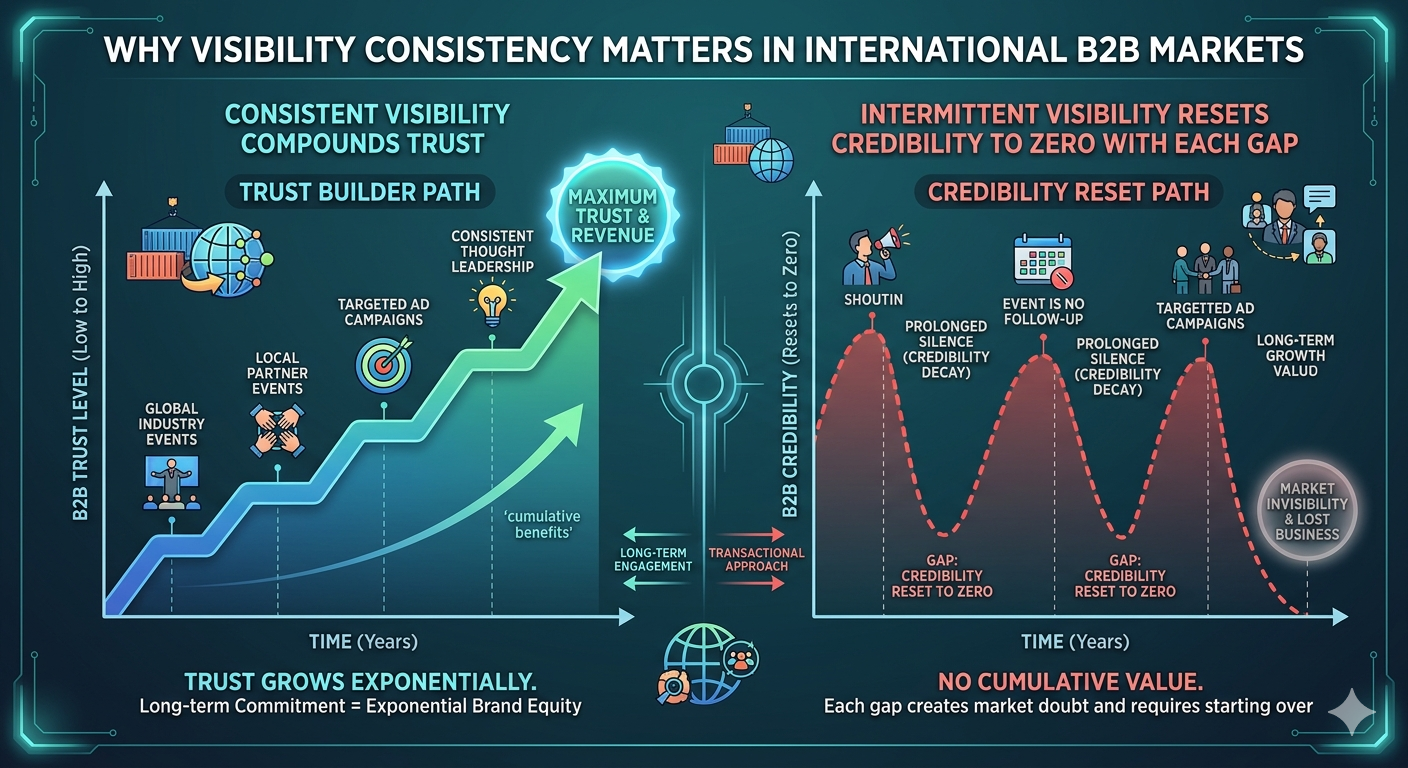
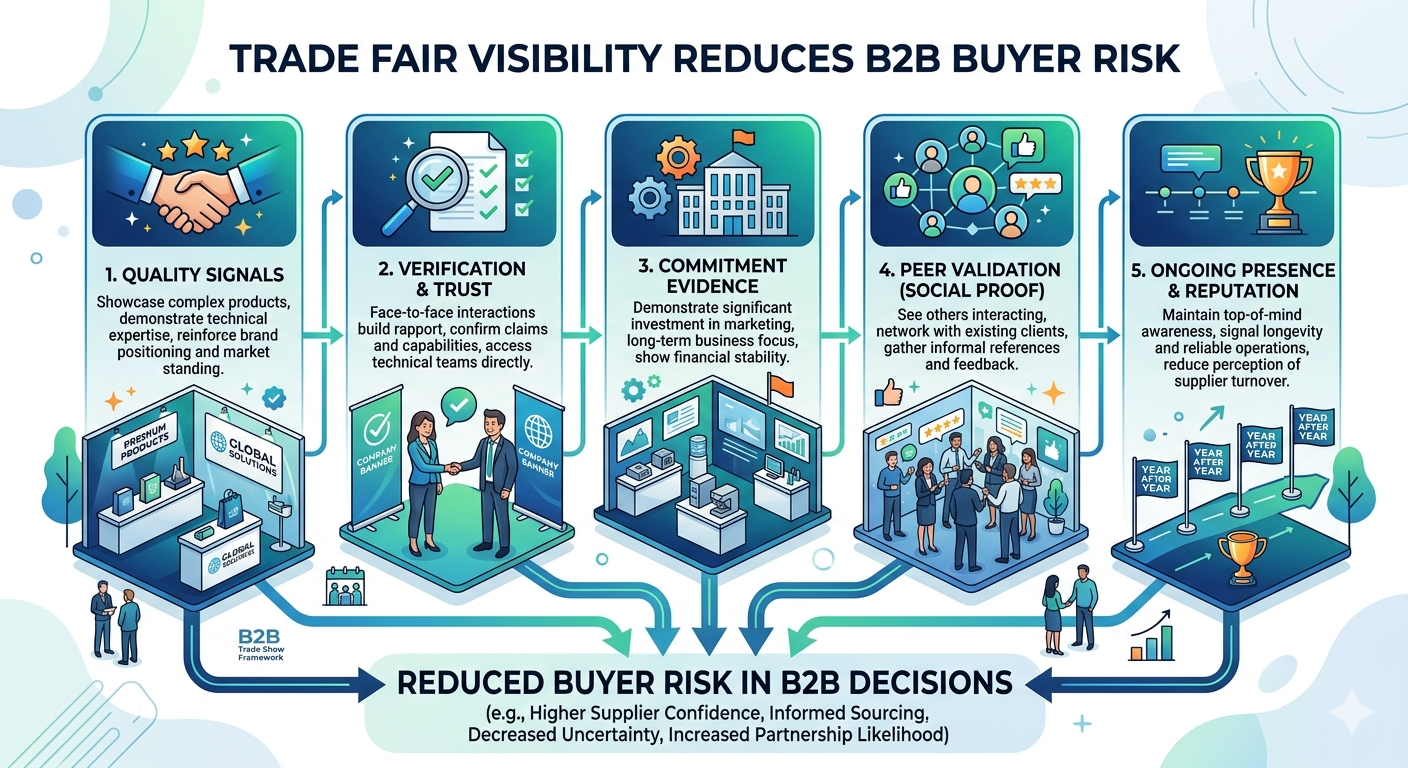
You met potential buyers at the exhibition. Conversations went well. But trust wasn’t established in those 15 minutes at your booth. Real trust starts after the trade fair ends. Buyer trust after trade fair participation doesn’t come from a single interaction. It comes from repeated exposure, consistent visibility, and evidence of ongoing market commitment. Trade fairs create visibility. Continuous presence creates international trust and long-term business opportunities. This article explains how to build buyer trust after trade fair participation — through infrastructure, not just follow-up emails.
Here’s something experienced international exhibitors understand: trust is not a feeling. It’s a conclusion buyers reach after seeing enough evidence. Your job after the trade fair is to provide that evidence consistently, quietly, and without demanding attention.
Quick Trust Audit: Would a European Buyer Trust Your Company?
Answer these questions from a buyer’s perspective:
- ☐ If a buyer searches your company today, will they find activity from the past 30 days? (Yes/No)
- ☐ Is your information consistent across all platforms where buyers might look? (Yes/No)
- ☐ Can buyers verify your local market presence without contacting you? (Yes/No)
- ☐ Have you published any market-relevant content in the past 60 days? (Yes/No)
- ☐ Does your directory profile show evidence of year-round engagement? (Yes/No)
Each “No” is a trust gap that buyers will notice during silent evaluation. Each gap reduces your chance of being selected.
Why Trust Doesn’t Happen at the Booth
A trade fair conversation is a first date, not a marriage. Both parties are polite. Both are curious. But neither fully trusts the other yet. The buyer doesn’t know if you’ll deliver on promises. They don’t know if you’re serious about their market. They don’t know if you’ll still be around in six months when they need support.
These doubts are normal. They’re also addressable — but not at the booth. Address them in the weeks and months after the exhibition, through visible evidence of reliability and commitment.
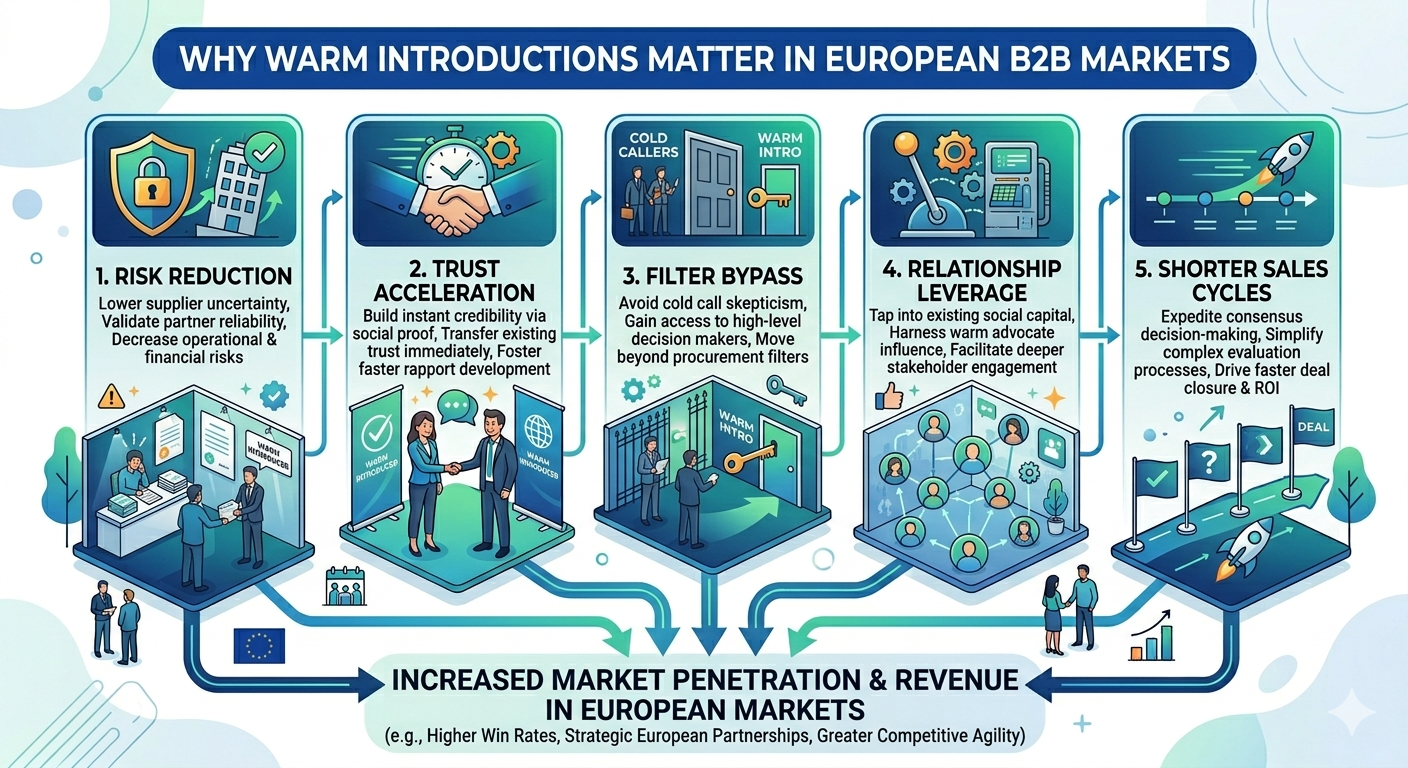
A recurring pattern across European procurement is that buyers consistently evaluate post-exhibition behavior as a key factor in supplier selection. The booth opens the door. What happens afterward determines whether the buyer walks through it.
For a deeper understanding of how buyers think during this period, read this guide to buyer behavior at trade fairs.
The Trust Infrastructure Framework
Trust after a trade fair doesn’t come from a single great email. It comes from infrastructure — systems that work quietly in the background, providing evidence of reliability whether or not the buyer responds to your outreach.
Component 1: Permanent Discoverability
Buyers need to find you when they’re ready. Not when you email them. When they search. A permanent directory listing that stays active year-round is the foundation of trust infrastructure. It signals that you’re not a temporary market entrant. You’re a committed participant.
What to do: Maintain an updated permanent directory listing with current information, recent activity, and clear local market context.
Component 2: Consistent Information Across Platforms
Trust erodes quickly when buyers find inconsistent information. Your website says one thing. Your directory profile says another. Your LinkedIn page shows different dates. Each inconsistency is a small trust deduction. Enough deductions, and the buyer moves to another supplier.
What to do: Audit your online presence quarterly. Ensure company descriptions, contact information, and capability statements match across all platforms.
Component 3: Evidence of Ongoing Engagement
Buyers want to know you’re still active between trade fairs. A company that only appears during exhibition weeks looks like a temporary visitor. A company that publishes regular observations, updates profiles monthly, and maintains visibility year-round looks like a serious partner.
What to do: Publish one short market observation every 30-45 days. It doesn’t need to be long. It just needs to be recent and relevant.
Component 4: Local Market Verification
Cross-border buyers worry about distance, time zones, and support accessibility. Visible evidence of local market commitment reduces these worries. This doesn’t require a physical office. It does require visible signals: local logistics partners, region-specific certifications, or clear local contact arrangements.
What to do: Display local market information prominently on your profile. Mention regional partnerships or certifications. See how year-round visibility signals market commitment.
The Trust Timeline: What Buyers Notice When
Based on observation of procurement behavior, here’s when different trust signals matter most to buyers.
Weeks 1-3: Initial Professionalism Check
Buyers notice whether you followed up promptly and professionally. A generic template suggests low effort. A brief, personalized acknowledgment suggests attention to detail. This is the first trust test. Many exhibitors fail it.
Weeks 4-8: Reliability Verification
Buyers check whether your online presence matches what you presented at the booth. They look for updated profiles, consistent information, and evidence that you’re still active. Inconsistencies or outdated information at this stage are often fatal to trust.
Weeks 9-16: Commitment Assessment
Buyers who are still evaluating at this stage are serious. They check whether you’ve published anything since the trade fair. They look for signs of ongoing market engagement. Suppliers who went silent early lose trust here. Suppliers who maintained ambient visibility gain trust.
Weeks 17-26: Long-Term Reliability
For complex procurement cycles, buyers assess whether you’re likely to remain in their market for the long term. A permanent directory presence that’s been consistently maintained signals longevity. A profile with outdated information signals potential disappearance.
For practical guidance on maintaining visibility through all these phases, see how trade fair visibility works year-round.
What Actually Destroys Buyer Trust After Trade Fairs
Trust isn’t just built through positive actions. It’s destroyed through specific negative patterns. Here are the most common trust destroyers observed across international exhibitors.
The Disappearing Act: Exhibitor sends one follow-up email, receives no reply, and vanishes entirely. Buyer searches for them later and finds nothing recent. Trust erodes completely. The buyer assumes the exhibitor was never serious about their market.
The Inconsistent Profile: Company website shows one address. Directory profile shows another. Contact information doesn’t match. Buyer spends time trying to verify basic facts and gives up. Trust never had a chance to form.
The Broadcast Blast: Exhibitor sends the exact same message to every lead, with no personalization or reference to specific conversations. Buyer feels like a number, not a potential partner. Trust doesn’t grow from generic automation.
The Pressure Campaign: Exhibitor sends increasingly aggressive messages demanding meetings, decisions, or responses. Buyer feels hunted rather than helped. Trust reverses direction.
Before your next trade fair, ensure you’ve completed all preparation steps with the exhibitor checklist for trade fairs.
How to Know If Trust Is Building
Trust is invisible but measurable through buyer behavior. Here are three signals that trust is actually building with your trade fair leads.
Inbound inquiries from previous leads: Buyers who initially ignored your follow-up but later contact you directly. This is the clearest sign that your ambient visibility worked during their silent evaluation.
Profile views from relevant companies: Directory analytics showing views from companies you met at the trade fair. They’re checking your information. That’s trust in progress.
Responses that aren’t sales conversations: Buyers who reply with questions, clarifications, or requests for specific information. They’re engaging seriously. Trust has crossed a threshold.
For help selecting which trade fairs attract the right buyers for trust building, read how to choose the right trade fair for your strategy.
Frequently Asked Questions
How long does it take to build buyer trust after a trade fair?
Based on observation, meaningful trust requires consistent visibility over an extended period. A single follow-up email doesn’t build trust. Repeated exposure through updated profiles, relevant content, and sustained presence builds trust gradually. There are no shortcuts. Trust compounds slowly through evidence.
Can I build trust without a local European office?
Yes. Trust infrastructure doesn’t require physical offices. It requires consistent digital visibility, updated directory listings, regular market-relevant content, and verifiable local partnerships. Many successful international suppliers build trust entirely through digital presence. The key is consistency, not physical location.
What is the fastest way to lose buyer trust after a trade fair?
The fastest trust destroyer is disappearing completely after one or two unanswered follow-ups. When buyers search for you weeks later and find outdated profiles, no recent activity, and no evidence of ongoing presence, they conclude you were never serious about their market. This perception is very difficult to reverse.
How often should I update my directory profile to build trust?
Monthly updates are ideal. Even small changes — adding a recent project, updating a team photo, posting a short observation — signal active engagement. Quarterly updates are minimum. Annual updates suggest the company is not actively present in the market. Buyers notice the difference.
Does content marketing really build buyer trust after trade fairs?
Yes, but not white papers or long articles. Short, practical observations about market trends or procurement challenges work best. Buyers trust suppliers who demonstrate understanding of their daily realities. A short insight published regularly builds more trust than a long brochure sent once.
How does BHOWCO help build buyer trust after trade fairs?
BHOWCO provides the permanent discoverability and consistent presence that trust infrastructure requires. Your updated directory profile works year-round, giving buyers evidence of ongoing market commitment whenever they search. Explore how BHOWCO builds trust infrastructure for international exhibitors.
- How long does trust take? – Consistent visibility over time. No shortcuts.
- Can I build trust without a local office? – Yes. Digital consistency is what matters.
- Fastest way to destroy trust? – Disappearing after 1-2 unanswered emails.
- How often to update profile? – Monthly ideal, quarterly minimum.
- Does content build trust? – Yes, short practical insights work best.
- How does BHOWCO help? – Permanent discoverability year-round.
Conclusion: Trust Is Built Through Visible Consistency
Buyer trust after trade fair participation doesn’t come from a perfect booth or a great conversation. It comes from what buyers see in the weeks and months after the exhibition ends. Updated profiles. Consistent information. Evidence of ongoing engagement. Visible commitment to their market.
Trade fairs create visibility. Continuous presence creates international trust and long-term business opportunities. The exhibitors who win long-term buyer trust are not the ones with the largest booths. They are the ones who remain visible, consistent, and discoverable throughout the entire procurement cycle — including the long, quiet weeks when trust is either built or broken.
BHOWCO exists to provide that trust infrastructure. Your permanent directory listing works silently in the background, giving buyers the evidence they need to trust you — whether or not they ever reply to your follow-up emails.
Build your trust infrastructure with a permanent BHOWCO directory listing